
Daily-Life Japanese Reading Practice for N5 to N4: 5 Short Passages With Vocabulary
Read five original passages about lunch, trains, work, shopping and a message to a friend. Every kanji has furigana, and every passage comes with a word list and quick questions.
Many learners study grammar and vocabulary lists for months, then freeze when they see a real paragraph. Reading short passages on everyday topics closes that gap. It trains you to spot particles, verb endings and familiar words in context, which is exactly what the reading section of the JLPT asks you to do.
This page gives you five short Japanese reading passages built around situations an Indian learner in Japan will meet: eating lunch, taking the train, working a shift, shopping and writing to a friend. We wrote all five ourselves for this post. Each has furigana, an English translation hidden behind a click, a vocabulary table and two questions. If you are still learning the scripts, start with our hiragana and katakana guide.
Why Daily-Life Reading Practice Works for N5 and N4
The official JLPT level summary says that at N5 you can read typical expressions and sentences written in hiragana, katakana and basic kanji. At N4 you can read passages on familiar daily topics written in basic vocabulary and kanji. That is why our passages stay with food, travel, work and shopping: these are the topics the tests describe.
- You meet grammar in context. Our N5 grammar patterns and particles guide become easier to remember when they sit inside a story.
- You build real vocabulary. Words such as station, lunch box and supervisor appear again and again in daily life in Japan.
- You practise reading speed. Short passages let you time yourself without the stress of a full mock test.

How to Read Each Passage
- Step 1: Read once, no helpRead the whole passage without opening the translation. Aim to get the main idea: who, where and what.
- Step 2: Mark unknown wordsUnderline or note what you do not know, then check the vocabulary table.
- Step 3: Read aloudRead again out loud. If furigana slows you down, cover it with a sheet and check later.
- Step 4: Answer the questionsAnswer both questions in your own words before you open the answers.
- Step 5: Check the translationOpen the English translation last, and compare it with what you understood.
Passage 1: Lunch at the Office or Campus
おひるごはん (Lunch)
私はインド人です。今、日本に住んでいます。
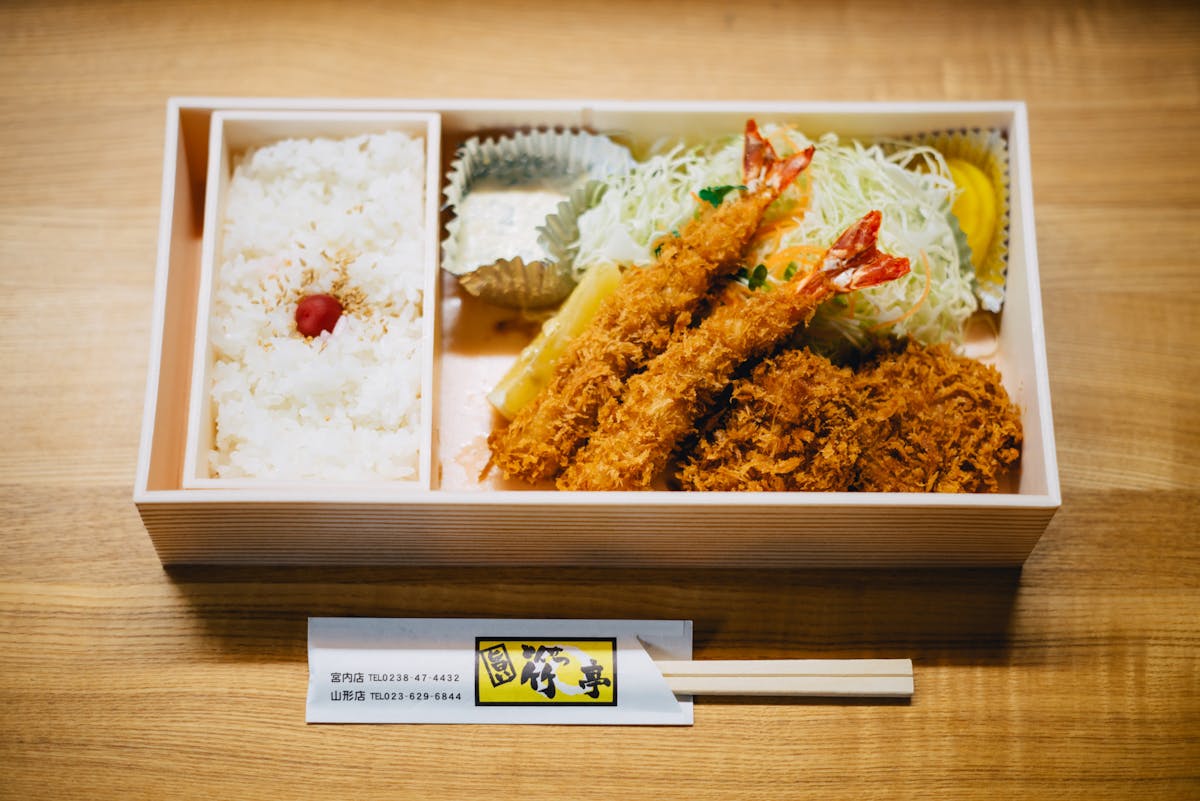
毎日、十二時に昼ごはんを食べます。今日はお弁当です。カレーとごはんです。
田中さんはうどんを食べます。「おいしそうですね」と田中さんが言いました。
| Word | Reading | Meaning |
|---|---|---|
| 昼ごはん | ひるごはん | lunch |
| お弁当 | おべんとう | packed lunch (bento) |
| 住む | すむ | to live (in a place) |
| 毎日 | まいにち | every day |
| おいしそう | おいしそう | looks delicious |
| 言う | いう | to say |
Questions: (1) What time does the speaker eat lunch? (2) What is Tanaka-san eating?
Show English translation and answers
Translation: I am Indian. I live in Japan now. Every day I eat lunch at twelve o’clock. Today I have a packed lunch: curry and rice. Tanaka-san eats udon. “That looks delicious,” said Tanaka-san.
Answers: (1) At 12 o’clock. (2) Udon.
Grammar to notice: 〜ています (be doing or living), に for time, を for the object, and 〜そう for “looks like”.
Passage 2: The Morning Train
あさのでんしゃ (The morning train)
毎朝、七時に家を出ます。駅まで十分、歩きます。
電車は八時五分です。電車は人が多いです。ですから、立ちます。
でも、電車はおくれません。
| Word | Reading | Meaning |
|---|---|---|
| 家 | いえ | house, home |
| 駅 | えき | station |
| 電車 | でんしゃ | train |
| 人が多い | ひとがおおい | crowded (many people) |
| 立つ | たつ | to stand |
| おくれる | おくれる | to be late |
Questions: (1) How long does the speaker walk to the station? (2) Why does the speaker stand on the train?
Show English translation and answers
Translation: Every morning I leave home at seven o’clock. I walk to the station for ten minutes. The train is at 8:05. The train has many people, so I stand. But the train is never late.
Answers: (1) Ten minutes. (2) Because there are many people on the train.
Grammar to notice: まで (up to), ですから (therefore), でも (but) and the negative 〜ません.
Passage 3: A Day at Work
しごとのいちにち (A day at work)
私は工場で働いています。朝八時に仕事が始まります。
まず、朝礼があります。それから、上司の指示を聞いて、機械を点検します。
午後は、荷物を運びます。分からないことがあったら、「すみません、もう一度お願いします」と言います。五時に仕事が終わります。
| Word | Reading | Meaning |
|---|---|---|
| 工場 | こうじょう | factory |
| 朝礼 | ちょうれい | morning meeting |
| 上司 | じょうし | boss, supervisor |
| 指示 | しじ | instruction |
| 点検する | てんけんする | to inspect, to check |
| 荷物 | にもつ | goods, luggage |
| 運ぶ | はこぶ | to carry |
Questions: (1) What happens first after work starts? (2) What does the speaker say when something is unclear?
Show English translation and answers
Translation: I work in a factory. Work starts at eight in the morning. First there is a morning meeting. Then I listen to my supervisor’s instructions and check the machines. In the afternoon I carry goods. If there is something I do not understand, I say, “Excuse me, please say it once more.” Work ends at five o’clock.
Answers: (1) A morning meeting (朝礼). (2) “Sumimasen, mō ichido onegaishimasu” (“Excuse me, once more please”).
Grammar to notice: まず、それから (first, then), the 〜たら condition (if), and 〜て、〜 to link actions.
Passage 4: Weekend Shopping
しゅうまつのかいもの (Weekend shopping)
土曜日に、友だちとスーパーへ行きました。野菜が安かったので、たくさん買いました。
日本では、レジのふくろはお金がかかります。ですから、私は自分のバッグを持って行きました。
家に帰って、友だちとカレーを作りました。とてもおいしかったです。
| Word | Reading | Meaning |
|---|---|---|
| 野菜 | やさい | vegetables |
| 安い | やすい | cheap |
| 買う | かう | to buy |
| お金がかかる | おかねがかかる | to cost money |
| 自分の | じぶんの | one’s own |
| 作る | つくる | to make, to cook |
Questions: (1) Why did the speaker buy a lot? (2) Why did the speaker bring a bag?
Show English translation and answers
Translation: On Saturday I went to the supermarket with a friend. The vegetables were cheap, so I bought a lot. In Japan the bags at the register cost money, so I took my own bag. I went home and made curry with my friend. It was very delicious.
Answers: (1) Because the vegetables were cheap. (2) Because bags at the register cost money.
Grammar to notice: 〜ので (because), the past forms 〜かった/〜ました and 〜と for “with”.
Note: Many supermarkets in Japan charge for plastic bags, but rules and prices differ by shop, so this passage is an everyday example, not a rule for every store.
Passage 5: A Message to a Friend
ともだちへのメッセージ (A message to a friend)
田中さんへ
来週の日曜日、いっしょに寿司を食べませんか。駅の近くに、安くておいしい店があります。
十二時に駅で会いましょう。もし雨が降ったら、駅の中で待っていてください。返事を待っています。
アルジュンより
| Word | Reading | Meaning |
|---|---|---|
| 寿司 | すし | sushi |
| 近く | ちかく | nearby |
| 会う | あう | to meet |
| 雨が降る | あめがふる | it rains |
| 待つ | まつ | to wait |
| 返事 | へんじ | reply |
Questions: (1) Where will they meet, and when? (2) What should Tanaka-san do if it rains?
Show English translation and answers
Translation: To Tanaka-san: Next Sunday, would you like to eat sushi together? There is a cheap, delicious shop near the station. Let’s meet at the station at twelve. If it rains, please wait inside the station. I am waiting for your reply. From Arjun.
Answers: (1) At the station at 12 o’clock next Sunday. (2) Wait inside the station.
Grammar to notice: 〜ませんか (invitation), 〜ましょう (let’s), 〜たら (if) and 〜ていてください (please keep doing).
A 2-Week Practice Plan
This pacing is our own suggestion, not an official method. Adjust it to your schedule.
- Days 1 to 3: Passages 1 and 2Read each one twice a day: once silently, once aloud. Say the vocabulary words out loud.
- Days 4 to 6: Re-read and writeCover the Japanese and write the main idea of each passage in simple English, then check.
- Days 7 to 10: Passages 3 and 4Add note cards for new kanji. Link them to our kanji guide.
- Days 11 to 12: Passage 5Write your own short message to a friend using the same patterns.
- Days 13 to 14: Timed roundRe-read all five without furigana. Time yourself and note what still slows you down.
When you are ready for a full syllabus, move to the JLPT N4 checklist. If you want more real-world Japanese, read Japanese greetings: formal, casual and polite. NHK’s News Web Easy is a free place to practise reading simplified real news once you finish these passages.
Myths vs Facts About Japanese Reading Practice
Mistakes to Avoid
⚠️ Common mistakes
- Reading the English translation before the Japanese.
- Skipping the vocabulary tables.
- Relying on furigana forever.
- Memorising words without reading full sentences.
- Reading once and never repeating the passage.
✅ Better habits
- Guess the meaning first, then check.
- Learn six to seven words per passage.
- Cover the furigana in your second read.
- Say sentences aloud to practise rhythm.
- Re-read each passage after three to four days.
⭐ Key takeaways
- Short daily-life passages build reading skills for N5 and N4 in a realistic way.
- Read first, check vocabulary, answer the questions, and open the translation last.
- Repeat each passage several times, with and without furigana.
- Use these passages alongside the N5 and N4 checklists, not instead of them.
Frequently Asked Questions
How can I practise Japanese reading for JLPT N5?
Read short passages in hiragana, katakana and basic kanji every day. The JLPT says N5 reading covers typical expressions and sentences in these scripts. Check each unknown word, read aloud and answer comprehension questions.
What is the difference between N5 and N4 reading?
According to the JLPT, N5 reading covers typical sentences in kana and basic kanji, while N4 covers passages on familiar daily topics in basic vocabulary and kanji. In our passages, N4 ones are a little longer and use more kanji and linking grammar.
Should I use furigana while reading?
Yes at first, because it lets you focus on grammar and meaning. In later reads, cover the furigana and try to recall readings. The real JLPT does not print furigana for most kanji, so make removing it your goal.
How many passages should I read each day?
One or two short passages is enough. Repetition matters more than quantity, so re-read the same passage over several days. This is our own suggestion.
Where can I find more simple Japanese to read?
You can try NHK’s News Web Easy, which offers news in simplified Japanese. Our own N5 and N4 checklists and grammar guides also have example sentences you can read.
Are these passages official JLPT questions?
No. We wrote all five for practice, using everyday topics and the grammar of N5 and N4. Our level labels are estimates, so use them as study material rather than test predictions.
Want a teacher to guide your Japanese reading?
Lingua Nest runs small-batch Japanese classes from N5 upwards, with reading, listening and speaking practice. We help you plan your language preparation. We do not promise visas or jobs, only solid language training.
Book Free Counselling WhatsApp UsDisclaimer: The passages are original practice material written by Lingua Nest. Level labels are our estimate and not official JLPT classifications. JLPT level descriptions are quoted from the official JLPT website read in November 2026, and may change. This is general educational information.