

Job in Japan After 12th: Complete Roadmap for Indian Students (No Degree Needed)
If you have typed “job in Japan after 12th” into Google more than once, you are not alone. Every year, thousands of Class 12 students search forums asking the same thing: “I am in 11th/12th and I want a job in Japan — what do I do?” Most answers online either tell you to “study engineering” or vaguely mention “learn Japanese,” without giving you an actual sequence of steps. This guide fixes that. We break down exactly what a 12th-pass student in India can realistically do to start working in Japan — including the one visa route that genuinely does not require a university degree. If you’re weighing Japan against other overseas options, browse the full range of language and placement programs on the Lingua Nest homepage.
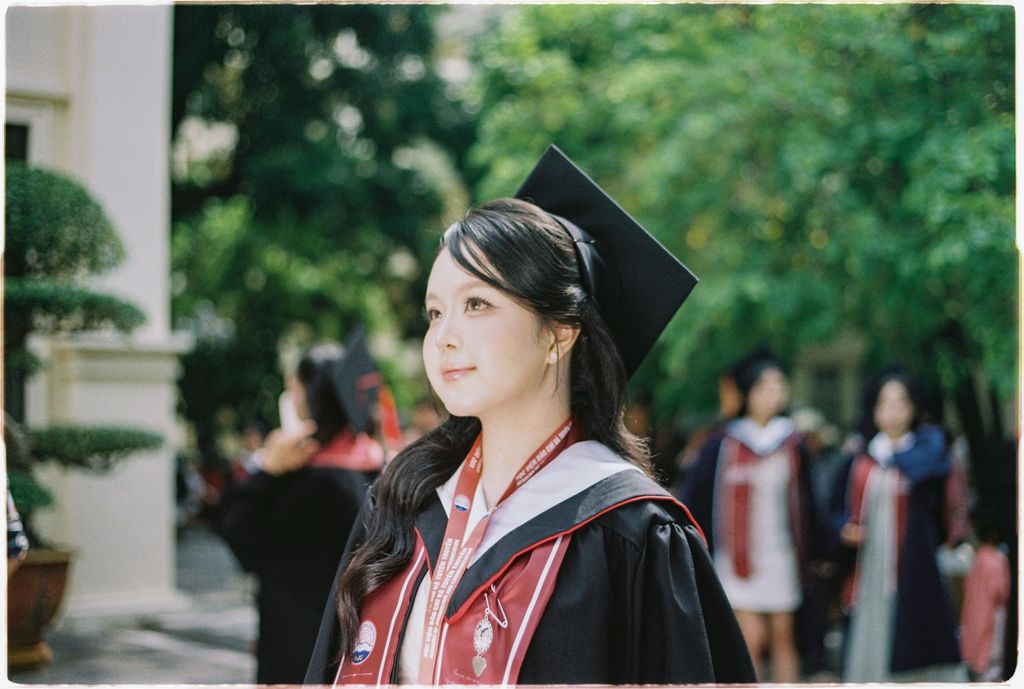
Can You Really Get a Job in Japan Right After 12th?
Yes — but not on day one, and not through a “job visa” in the way most students imagine. Japan’s Specified Skilled Worker (SSW) visa was created specifically to let foreign nationals work in shortage sectors without a university degree or prior training in Japan. The catch is eligibility, not qualification: applicants must be at least 18 years old, in good health, and able to pass a Japanese language test plus a sector-specific skills test. There is no requirement for a bachelor’s degree, engineering background, or even a diploma — official details are on the Japanese government’s Specified Skilled Worker portal.
So if you’re 17 and just finished 12th, the honest timeline is: spend the next 6–12 months on language and skills training, turn 18 (if you aren’t already), then apply. That is a far shorter runway than a 3–4 year engineering degree just to become “eligible” for Japan.
Two Real Paths After 12th — Which One Is For You
There are only two legitimate ways to build a Japan career straight after 12th. Everything else you’ll read online is a variation of these two.
Path 1: SSW Visa — Work First, No Degree
Learn Japanese to JLPT N4 or clear the JFT-Basic test, pass a skills test in a shortage sector (caregiving, hospitality, food processing, manufacturing, agriculture, and more), and move to Japan on a work visa. Fastest route to earning in Japan; caps out at certain skill ceilings unless you upgrade to SSW Type 2 later.
Path 2: EJU + University — Study First, Then Job
Clear the Examination for Japanese University Admissions (EJU), get admitted to a Japanese university or vocational (senmon) school, study for 2–4 years, then transition to a work visa through campus placement. Higher long-term ceiling and access to white-collar roles, but slower and requires tuition funding.
| Factor | SSW Visa (Work Route) | EJU + University (Study Route) |
|---|---|---|
| Degree required | No | Eventually, yes (Japanese degree/diploma) |
| Minimum age | 18 years | No fixed minimum; based on 12th completion |
| Japanese level needed to start | JLPT N4 / JFT-Basic | JLPT N2 (for most competitive programs) |
| Time to first income in Japan | ~8–14 months | 3–4+ years |
| Typical starting salary | ¥180,000–¥250,000/month | Varies after graduation; often higher ceiling |
| Upfront cost | Lower (language + test fees) | Higher (tuition + living costs) |
Step-by-Step: How to Get a Job in Japan After 12th via SSW
Step 1: Confirm You Meet the Basic Eligibility
You need to be 18 or older by the time you apply, medically fit, and free of any disqualifying immigration history. If you’ve just finished 12th at 17, this is simply a waiting period you can use productively for language training.
Step 2: Reach JLPT N4 or Clear JFT-Basic
This is the single biggest gate in the entire process. Most SSW sectors accept either the JLPT N4 (registrations and syllabus on the official JLPT website) or the JFT-Basic (Japan Foundation Test for Basic Japanese, details on the official JF-JFT Basic portal) as proof of language ability — you don’t need both. Structured coaching typically gets a beginner to this level in 6–8 months of consistent classes. Our complete JLPT exam guide breaks down the levels, format, and scoring in detail.

Step 3: Pick a Sector and Clear the Skills Test
Each SSW sector (caregiving, hospitality, food and beverage manufacturing, construction, agriculture, and others) has its own Skills Evaluation Test. Pick a sector based on your interest and where demand is strongest right now — caregiving (kaigo) currently has one of the largest quotas. See our detailed Caregiver (Kaigo) Jobs in Japan guide for salary and application specifics.
Step 4: Get Your Certificate of Eligibility and Visa
Once you clear both tests and have an employer match, your sponsor applies for a Certificate of Eligibility (COE) with Japanese immigration. This typically takes a few months, after which you apply for the actual SSW visa stamp at the Japanese consulate in India.
Step 5: Fly, Onboard, and Start Earning
Most placements include a pre-departure orientation covering culture shock, workplace etiquette, and basic living setup — the difference between students who settle in within weeks and those who struggle for months.
SSW vs TITP: The Other Work-Route Name You’ll See
You’ll also come across the Technical Intern Training Program (TITP) while researching this. TITP is being phased out and replaced by a new system called Ikusei Shuro starting April 2027, with a clearer path into SSW. If you’re starting fresh after 12th, going directly for SSW is simpler than routing through TITP first — read our TITP to SSW transition guide for the full picture.
Salary and Cost Expectations After 12th
SSW workers are legally entitled to the same wage as a Japanese national doing the same job. In practice, that works out to roughly ¥180,000–¥250,000 per month for entry-level SSW roles, before overtime — see our full Japanese Training & Jobs in Japan program page for current sector-wise figures. On the cost side, budget for language course fees, the JLPT/JFT-Basic exam fee, the sector skills test fee, and visa processing — this is a fraction of what a 4-year overseas engineering degree would cost.
Common Mistakes 12th-Pass Students Make
- Waiting to “finish a degree first” without checking if SSW even needs one. It doesn’t, for most sectors.
- Trying to self-study Japanese from YouTube alone. JLPT N4 and JFT-Basic are structured exams; unstructured self-study usually takes twice as long.
- Picking a sector based on hearsay instead of quota and demand data. Some sectors have far more open slots than others in any given year.
- Ignoring the skills test entirely. Language alone does not get you the SSW visa — you need both language and sector skills clearance.
Frequently Asked Questions
Can I go to Japan for a job immediately after clearing 12th?
Not immediately — you need to be 18, and you need JLPT N4/JFT-Basic plus a sector skills test first. Realistically, budget 8–14 months from the day you start training to the day you land in Japan.
What is the minimum age for the SSW visa?
18 years old, along with being in good health and having no disqualifying immigration record.
Do I need to know Japanese before starting the process, or can I learn it in Japan?
You need to clear JLPT N4 or JFT-Basic before you can even apply for the SSW visa — this has to be done in India, not after arrival.
Is the study route (EJU + university) better than SSW after 12th?
It depends on your goal. SSW gets you earning in Japan faster with lower upfront cost. The study route takes longer and costs more but can lead to white-collar roles and a stronger long-term visa ceiling (SSW Type 2 or beyond).
Which sectors are easiest to enter with no prior work experience?
Caregiving, hospitality, food service, and food and beverage manufacturing are commonly the most accessible for first-time applicants straight out of school, since they weight language and attitude heavily alongside the skills test.
Ready to Start Your Japan Roadmap?
The gap between “I want a job in Japan” and actually landing there is almost always the same two things: structured Japanese training and correct exam/visa sequencing. Lingua Nest runs small-batch JLPT and JFT-Basic training alongside sector skills guidance and end-to-end visa support, so nothing gets missed. Book a free counselling session to get a personalised, honest timeline based on your current level and target sector, or browse more Japan and overseas career guides on our blog.