
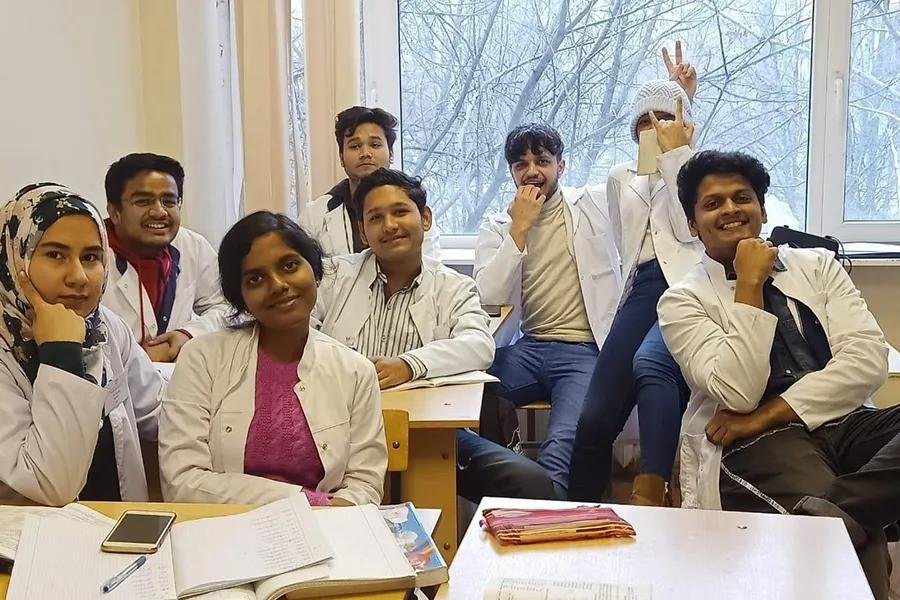
How Learning Russian Can Help Medical Students Succeed Abroad
Every year, thousands of Indian students travel to :contentReference[oaicite:0]{index=0} to pursue MBBS. While most universities offer courses in English, many students underestimate the importance of learning the Russian language.
The truth is simple: learning Russian is not optional—it is a powerful advantage that can improve your academic performance, clinical experience, and overall success as a medical student.
If you want to become a confident and skilled doctor, learning Russian can completely transform your journey.
🏥 1. Better Communication with Patients
During clinical training, medical students interact with local patients who primarily speak Russian. Without understanding the language, communication becomes difficult.
- Ask patients about symptoms clearly
- Understand medical history
- Build trust with patients
👉 Doctors who communicate well provide better diagnosis and care.
🧠 2. Improved Clinical Learning
Clinical years are the most important part of medical education. Many hospital interactions, case discussions, and instructions happen in Russian.
If you understand Russian, you can:
- Follow doctor-patient conversations
- Understand real-life case discussions
- Learn faster during hospital rounds
📚 3. Easier Understanding of Medical Terminology
While textbooks are in English, many terms used in hospitals and prescriptions are in Russian. Knowing the language helps you connect theory with real-world practice.
🌍 4. Better Integration in Daily Life
Living in a foreign country becomes easier when you understand the local language.
- Communicate with locals
- Travel confidently
- Handle daily tasks like shopping and transport
👉 This reduces stress and helps you focus on studies.
💼 5. Career Opportunities After MBBS
Knowing Russian opens additional career opportunities:
- Work in Russian hospitals
- Pursue postgraduate studies in Russia
- Work in international healthcare environments
Multilingual doctors are always in higher demand globally.
🎯 6. Helps in Licensing Exams Preparation
Even if you plan to return to India and appear for exams regulated by :contentReference[oaicite:1]{index=1}, practical exposure gained through Russian communication strengthens your clinical knowledge.
⚠️ Challenges Without Learning Russian
- Difficulty in patient interaction
- Limited clinical exposure
- Dependence on translators
- Reduced confidence during internships
Students who ignore Russian often struggle during their clinical years.
🚀 How to Start Learning Russian
- Start before going to Russia
- Focus on basic conversation skills
- Learn medical vocabulary early
- Practice daily with speaking exercises
🏆 Why Choose LinguaNest for Russian Language Training?
At LinguaNest, we offer structured Russian language programs designed specifically for medical students.
- Medical-focused vocabulary training
- Interactive speaking sessions
- Experienced trainers
- Flexible online classes
🎯 Start Learning Russian for Your Medical Career
Prepare yourself before going abroad and gain confidence in communication, academics, and clinical practice.
Join Russian Course📌 Final Thoughts
Learning Russian is one of the smartest decisions a medical student can make while studying abroad. It improves your confidence, enhances clinical learning, and prepares you for a successful medical career.
Don’t treat it as an extra subject—treat it as a career investment.