
Discover my study abroad in France student journey with key tips and cultural insights to guide learners planning their international path.
1. The Beginning:
When I first started thinking about pursuing my master’s abroad, France wasn’t the immediate choice. Like many students, I began my journey by researching universities online, checking global rankings, scrolling through student forums, and watching endless videos about life in Europe.
I also attended several study abroad fairs in my city, which turned out to be extremely helpful. These fairs gave me the chance to interact directly with university representatives, alumni, and even current students. Speaking with them helped me go beyond brochures and websites and paint a clearer picture of what I wanted and where I wanted to be.
2. Choosing the Right University
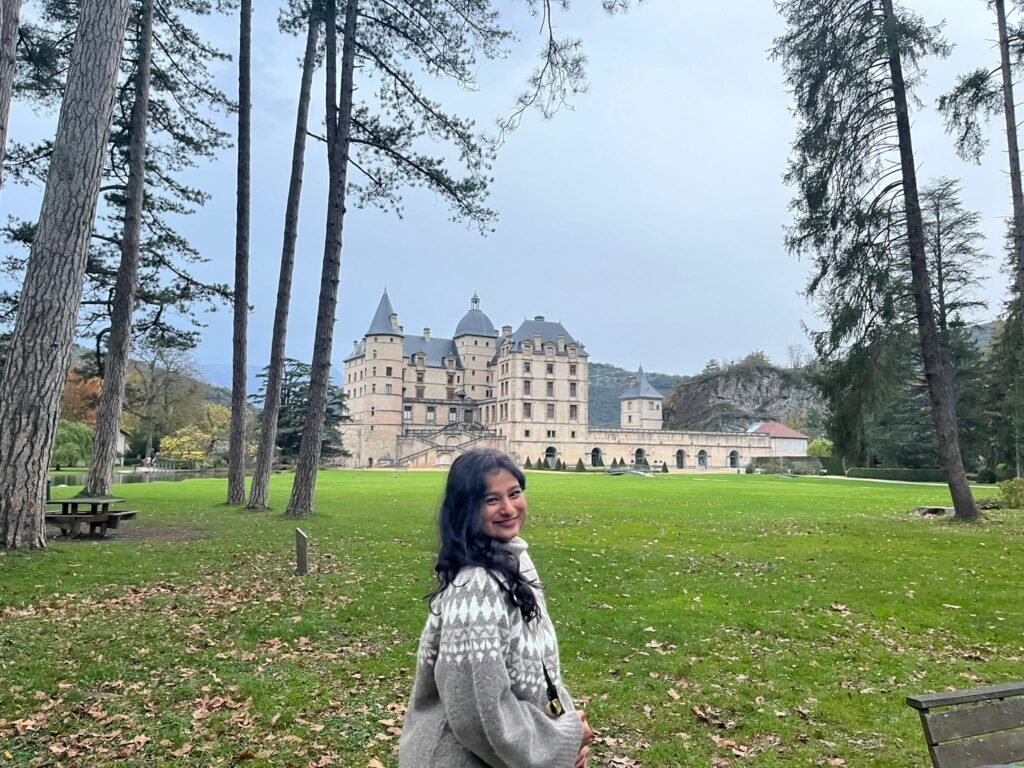
After weighing factors such as curriculum, international exposure, cost of living, and career opportunities, I applied to multiple universities across Europe.
Ultimately, I chose a university that perfectly matched my needs. What attracted me most was its strong reputation in business education, consistently ranking among the top business schools in France with a global presence. The MSc in Digital Marketing and Data Analytics felt almost tailor-made for me, it combined my marketing background with my interest in analytics.
Beyond academics, the university stood out for its close ties with companies, especially in the tech and luxury sectors, offering valuable networking and career opportunities. The location also played a key role, it was student-friendly, manageable, and offered opportunities for cultural and professional growth.
3. Preparing for the Move
Once I had made my decision, I was excited not just about the university but about living in France itself. In the months leading up to my move, I made an effort to brush up on my French.
I hired a private tutor to get comfortable with the basics. My goal wasn’t fluency right away, but being able to greet people, order food, and hold simple conversations gave me a huge confidence boost once I arrived.
I also kept a checklist in mind: a strong academic program, a student-friendly city, international exposure, and the chance to travel across Europe.
4. Academic Experience: Learning in and Beyond the Classroom
Now that I have completed my first year of studies, I can say without hesitation that it has been one of the most enriching years of my life.
The academic program was intense but rewarding, covering everything from SEO and analytics to branding and digital strategy. But the learning wasn’t limited to lectures. Group projects with classmates from different cultural backgrounds taught me so much about teamwork, communication, and cultural adaptability.
5. Friendships, Networking, and Multicultural Exposure
Outside the classroom, I built friendships with students from all over the world from Brazil to Morocco to Spain. These relationships became some of the biggest highlights of my year.
The multicultural exposure gave me a global perspective, helped me understand different viewpoints, and made my experience feel much bigger than just academics.
6. Travel and Exploration

One of the unforgettable aspects of studying in France is how easy it is to travel. Thanks to affordable student options, I explored destinations ranging from the snowy Alps mountains to cities like Copenhagen.
Many of these were spontaneous weekend trips, yet they turned out to be some of the best memories of my year abroad.
At the same time, my French improved gradually as I interacted with locals. Even small efforts in the language helped me build deeper connections and feel more integrated into French society.
7. Challenges and Practical Advice for Future Students
Looking back, I realize there were some important lessons I learned that can help future students:
- Start early with applications – French applications take time, and the visa process is longer since it goes through Campus France before VFS. Applying early saves you from last-minute stress.
- Accommodation is competitive – CROUS student housing is affordable but hard to secure. Applying early is essential. If not, platforms like Studapart are good alternatives, but searching requires time.
- Budget realistically – Beyond tuition, plan for expenses like health insurance, transport passes, and daily costs, which can add up quickly.
- Learn at least basic French – Even if your program is fully in English, daily life becomes much easier if you can handle basic French. People truly appreciate the effort, and it makes you feel part of the culture.
8. Looking Back: Why It Was Worth It
Choosing France for my master’s has been life-changing. It gave me not just an excellent education but also friendships, adventures, and lessons that shaped me both personally and professionally.
Studying abroad is not just about academics, it’s about learning to adapt, becoming independent, and embracing new cultures.
To anyone considering this path, my advice is simple: plan early, stay open-minded, and remember you’re not just choosing a university, you’re choosing an experience that can shape the rest of your life.