
Learning German is one of the smartest investments you can make if you’re aiming for global opportunities—whether that’s studying in Germany, advancing your career, or improving your immigration prospects. But one question almost every learner asks is: “How long will it take me to reach B2?”
The short answer: it depends.
The long answer? That’s what this blog will break down for you in detail—based on real learning patterns, not just textbook estimates.
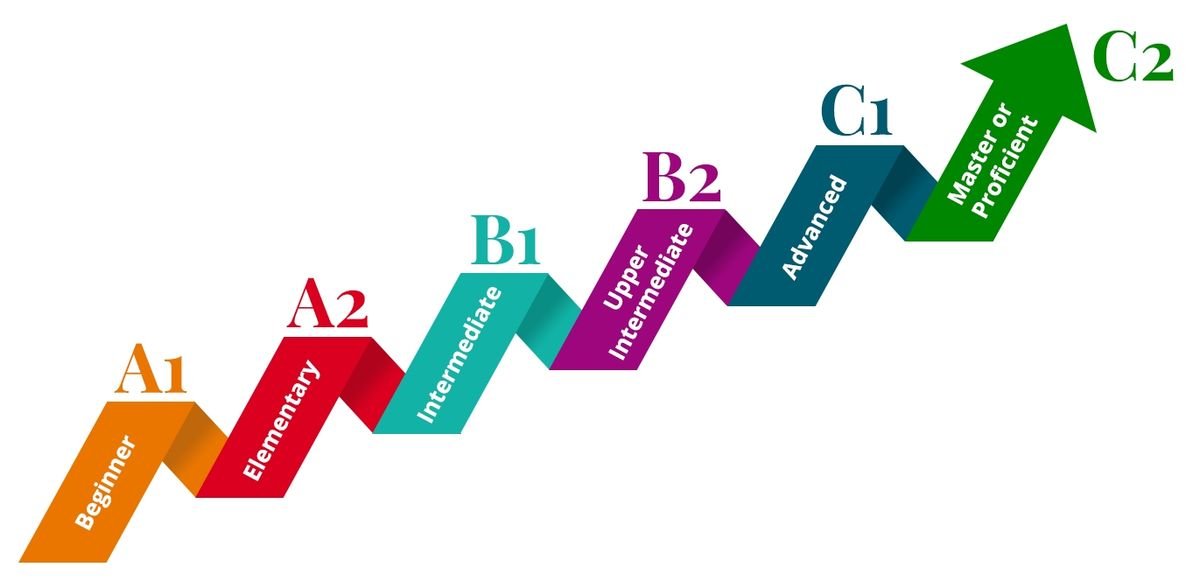
Understanding the German Levels (A1 to B2)
Before discussing timelines, it’s important to understand what each level represents. German proficiency is measured using the CEFR (Common European Framework of Reference for Languages), which categorizes learners into six levels.
A1 – Beginner
At this stage, you learn basic vocabulary, greetings, introductions, and simple sentence structures. You can understand and use everyday expressions.
A2 – Elementary
You begin forming sentences, handling daily conversations, and understanding frequently used phrases related to personal and social contexts.
B1 – Intermediate
This is where independence begins. You can express opinions, describe experiences, and manage most real-life situations.
B2 – Upper-Intermediate
At B2, you can communicate fluently and spontaneously. You can understand complex texts and engage in discussions on abstract topics. This level is often required by institutions like the Goethe-Institut for academic and professional purposes.
The Ideal Timeline — How Long It Should Take
Based on standard learning benchmarks, reaching B2 requires around 600–700 hours of study.
Fast-Track (Intensive Learning)
- 3–4 hours/day
- 5–6 days/week
- Timeline: 8–10 months
Moderate Learning Pace
- 1–2 hours/day
- Regular weekly study
- Timeline: 12–18 month
Slow or Casual Learning
- Inconsistent study habits
- Limited practice
- Timeline: 2+ years
These timelines assume structured learning. Without it, even daily effort can lead to slow progress.
Why Your Timeline May Be Faster or Slower
Not everyone reaches B2 at the same pace. Several factors influence how quickly you progress.
1. Consistency Over Intensity
Studying daily—even for shorter durations—is more effective than irregular long sessions. Language learning depends on repetition and exposure.
2. Study Method Matters
Passive learning methods such as watching videos or memorizing vocabulary lists are slow. Active learning—speaking, writing, and testing—accelerates progress significantly.
3. Speaking Practice
Many learners delay speaking due to fear of mistakes. This slows progress dramatically. Speaking from day one helps build fluency and confidence.
4. Guidance and Feedback
Without proper guidance, learners often reinforce mistakes. Structured courses or mentorship help correct errors early and provide direction.
5. Your Language Background
If you already know English or another European language, German grammar and vocabulary may feel more familiar, helping you progress faster.
6. Your End Goal
Your goal defines your pace:
- Casual learners take longer
- Exam-focused learners move faster
- Immigration-focused learners follow structured timelines
Common Mistakes That Delay Progress
Many learners unknowingly slow down their journey due to avoidable mistakes.
Avoid These Pitfalls
- Waiting too long to start speaking
- Focusing too much on grammar perfection
- Ignoring listening practice
- Studying without a structured plan
- Not taking mock tests
These mistakes can easily add months—or even years—to your timeline.
What an Efficient Learning Plan Looks Like
If your goal is to reach B2 efficiently, your study plan needs to be balanced and structured.
A Strong Learning Routine Includes
- Daily study sessions (5–6 days/week)
- Grammar + vocabulary building
- Listening practice (podcasts, audio, videos)
- Speaking practice with feedback
- Writing exercises with corrections
- Regular mock exams
This combination ensures you develop all four language skills equally.
Fast-Track Strategy to Reach B2 Sooner
If you want to reduce your learning time significantly, focus on strategy rather than just effort.
Key Acceleration Tip
- Start speaking from Day 1
- Use spaced repetition for vocabulary
- Practice listening daily
- Take weekly mock tests
- Learn exam-specific techniques early
Learners who follow this approach often reach B2 30–50% faster than average.
Final Verdict — What Should You Expect?
So, how long does it actually take?
- Best case: 8–10 months (intensive learning)
- Average case: 12–18 months
- Slow pace: 2+ years
The truth is simple: reaching B2 is less about talent and more about consistency, structure, and strategy.
Conclusion
Reaching German B2 is not a race—it’s a structured journey. While timelines can vary from person to person, one thing remains constant: the learners who succeed are the ones who follow a clear plan, stay consistent, and practice actively.
Instead of worrying about how long it will take, focus on how well you are learning. With the right strategy, proper guidance, and regular practice, B2 is not just achievable—it becomes predictable.
Ready to Reach B2 Faster?
If you don’t want to waste months figuring things out on your own, it’s time to switch to a smarter approach.
At LinguaNest German Course, you get:
- Structured A1 to B2 roadmap
- Expert-led live classes
- Speaking practice from Day 1
- Regular mock tests + feedback
- Exam-focused preparation (Goethe B2)
👉 Join LinguaNest and fast-track your journey to German B2 with clarity and confidence. 🚀