

Hiragana & Katakana: The Complete Beginner’s Writing Guide (2026)
If you have just decided to learn Japanese — whether for a job in Japan, the JLPT, or simply out of curiosity — there is one decision you cannot skip: you must start with hiragana and katakana. Not romaji. Not kanji. These two phonetic scripts, together called kana, are the actual foundation of the Japanese language, and almost every serious course, textbook, and exam assumes you already know them.
This guide gives you the complete hiragana and katakana charts, the real stroke order rules, the difference between the two scripts, and a realistic 7-day plan to get through both — the same approach we use with beginners at LinguaNest before they move on to our N5 grammar patterns and particles.
What Are Hiragana and Katakana?
Japanese is written using three scripts at the same time: hiragana, katakana, and kanji. Unlike kanji, which are borrowed Chinese characters that represent meaning, hiragana and katakana are phonetic syllabaries — each character represents one sound (a syllable), not an idea. Learn 46 hiragana characters and 46 katakana characters, and you can technically read and write any sound in the Japanese language, even before you know a single kanji.
- Hiragana (ひらがな) — soft, rounded characters used for native Japanese words, grammar particles, and verb/adjective endings.
- Katakana (カタカナ) — sharp, angular characters used mainly for foreign loanwords, country and company names, and emphasis (similar to italics in English).
- Kanji (漢字) — meaning-based characters borrowed from Chinese, layered on top of hiragana and katakana once you’re past the beginner stage.
Where Kanji Fits In
You do not need kanji to start speaking or reading basic Japanese — children’s books, beginner textbooks, and JLPT N5 materials are written almost entirely in kana with furigana (small hiragana) guiding pronunciation. Once you’re comfortable with both kana scripts, kanji becomes far easier to approach. Our complete guide to understanding Japanese Kanji is the natural next step after this one.
Why You Must Learn Hiragana and Katakana First
Skipping kana and relying on romaji (Japanese written in English letters) is the single biggest mistake beginners make. Here’s why it backfires:
- Every textbook and exam drops romaji fast. By the middle of an N5 course, materials are written entirely in kana and kanji.
- Romaji hides real pronunciation. Sounds like づ (zu) or し (shi) don’t map cleanly onto English letters, so romaji learners often develop bad pronunciation habits early.
- You cannot read signs, menus, or job documents in Japan without kana. This matters directly if you’re preparing for SSW or TITP work in Japan, where daily instructions, safety notices, and forms are in Japanese script.
- The JLPT and JFT-Basic test kana fluency directly. Reading speed in hiragana and katakana is assumed from the very first question.
The Complete Hiragana Chart
Hiragana has 46 basic characters (the gojūon, or “50 sounds” — historically 50, though 4 have fallen out of use), arranged in a 5×10 grid by vowel sound.
The 46 Basic Hiragana (Gojūon)
| a | i | u | e | o | |
|---|---|---|---|---|---|
| — | あ (a) | い (i) | う (u) | え (e) | お (o) |
| k | か (ka) | き (ki) | く (ku) | け (ke) | こ (ko) |
| s | さ (sa) | し (shi) | す (su) | せ (se) | そ (so) |
| t | た (ta) | ち (chi) | つ (tsu) | て (te) | と (to) |
| n | な (na) | に (ni) | ぬ (nu) | ね (ne) | の (no) |
| h | は (ha) | ひ (hi) | ふ (fu) | へ (he) | ほ (ho) |
| m | ま (ma) | み (mi) | む (mu) | め (me) | も (mo) |
| y | や (ya) | — | ゆ (yu) | — | よ (yo) |
| r | ら (ra) | り (ri) | る (ru) | れ (re) | ろ (ro) |
| w | わ (wa) | — | — | — | を (wo) |
| n | ん (n) | — | — | — | — |
Dakuten and Handakuten (Voiced Sounds)
Adding two small marks (゛dakuten and ゜handakuten) to certain hiragana changes their sound:
- Dakuten (゛) softens the sound: か(ka) → が(ga), さ(sa) → ざ(za), た(ta) → だ(da), は(ha) → ば(ba).
- Handakuten (゜) only applies to the h-row: は(ha) → ぱ(pa), ひ(hi) → ぴ(pi), ふ(fu) → ぷ(pu).
Combination Sounds (Yōon)
Small や, ゆ, よ combine with い-row characters to form blended sounds — きゃ (kya), しゅ (shu), ちょ (cho), and so on. These aren’t extra characters to memorise from scratch; they’re a small extension of the chart you already know.
The Complete Katakana Chart
Katakana follows the exact same 46-sound structure as hiragana — same vowels, same sound groups — just with different, more angular character shapes. This is good news: once hiragana clicks, katakana is largely a matter of learning a new “font” for sounds you already understand.
The 46 Basic Katakana
| a | i | u | e | o | |
|---|---|---|---|---|---|
| — | ア (a) | イ (i) | ウ (u) | エ (e) | オ (o) |
| k | カ (ka) | キ (ki) | ク (ku) | ケ (ke) | コ (ko) |
| s | サ (sa) | シ (shi) | ス (su) | セ (se) | ソ (so) |
| t | タ (ta) | チ (chi) | ツ (tsu) | テ (te) | ト (to) |
| n | ナ (na) | ニ (ni) | ヌ (nu) | ネ (ne) | ノ (no) |
| h | ハ (ha) | ヒ (hi) | フ (fu) | ヘ (he) | ホ (ho) |
| m | マ (ma) | ミ (mi) | ム (mu) | メ (me) | モ (mo) |
| y | ヤ (ya) | — | ユ (yu) | — | ヨ (yo) |
| r | ラ (ra) | リ (ri) | ル (ru) | レ (re) | ロ (ro) |
| w | ワ (wa) | — | — | — | ヲ (wo) |
| n | ン (n) | — | — | — | — |
When Japan Uses Katakana (Loanwords, Names, Emphasis)
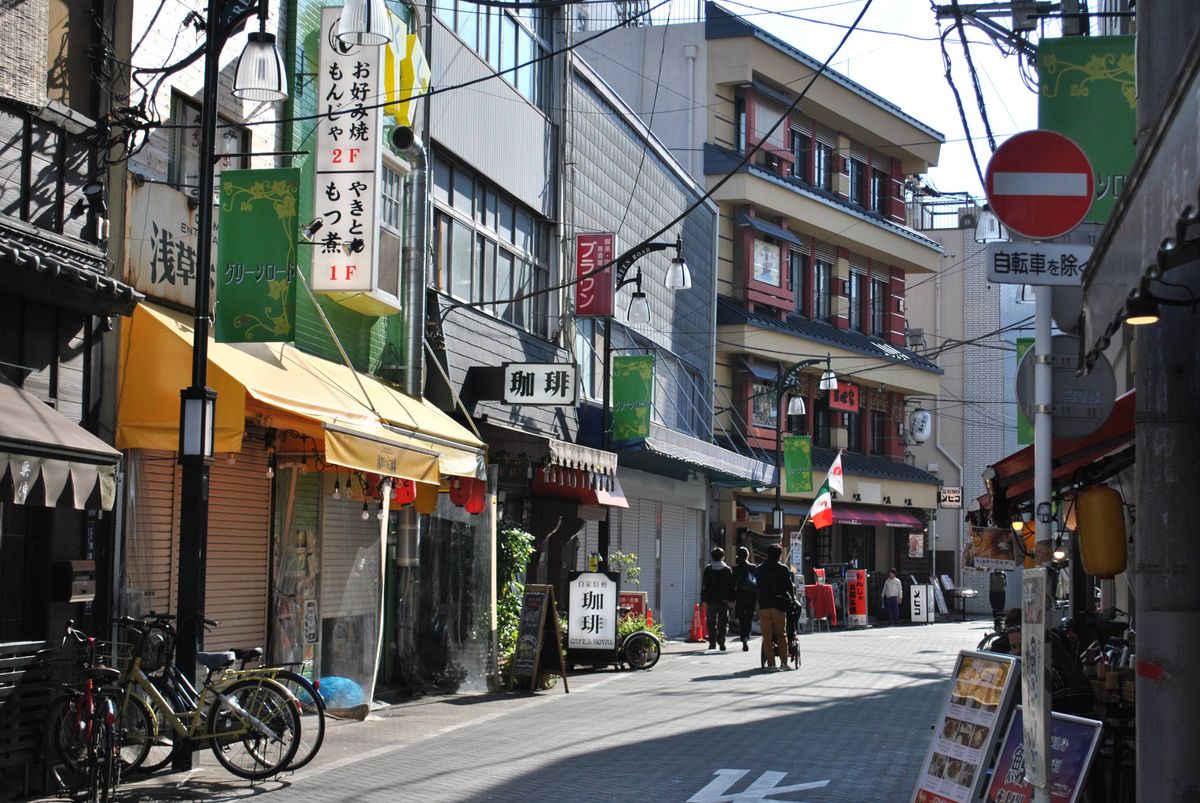
Katakana shows up constantly once you start reading real Japanese:
- Loanwords: コーヒー (kōhī – coffee), テレビ (terebi – television), アパート (apāto – apartment)
- Foreign names and places: インド (Indo – India), デリー (Derī – Delhi)
- Onomatopoeia and emphasis: similar to how English uses italics or bold text
- Technical, scientific, and business terms borrowed from English
If your goal is working in Japan, katakana fluency matters even more — job titles, machine labels, and workplace instructions in manufacturing, hospitality, and care sectors are full of katakana loanwords.
Hiragana vs Katakana: Key Differences at a Glance
| Feature | Hiragana | Katakana |
|---|---|---|
| Shape | Rounded, cursive strokes | Sharp, angular strokes |
| Main use | Native Japanese words, particles, verb/adjective endings | Foreign loanwords, names, emphasis |
| Learned first? | Yes — always learn hiragana before katakana | Second, once hiragana sounds are automatic |
| Example | ありがとう (arigatou – thank you) | アメリカ (Amerika – America) |
| Origin | Simplified cursive kanji, Heian period | Fragments of kanji, used by Buddhist monks |
How to Write Hiragana and Katakana: Stroke Order Basics
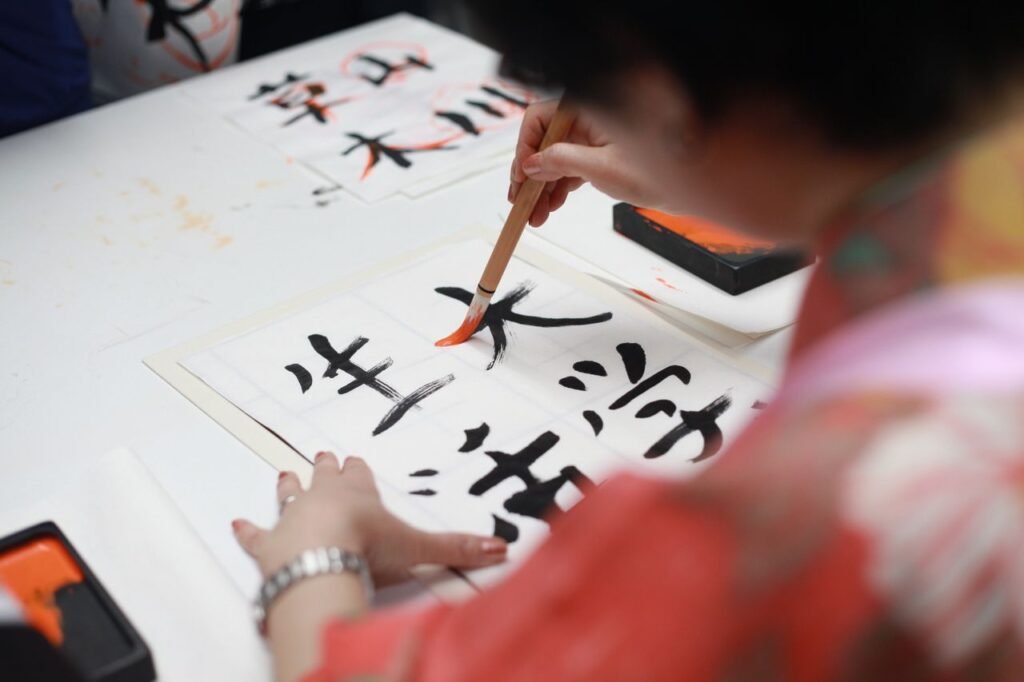
Stroke order isn’t a formality — Japanese characters are designed to be written in a specific sequence and direction, and following it makes your handwriting more legible and much faster to learn by muscle memory.
Stroke Order Rules
- Write from top to bottom, and left to right
- Horizontal strokes are usually written before vertical ones that cross them
- Complete outer strokes before inner ones
- Curved strokes are written in one continuous, smooth motion — don’t lift the pen mid-curve
For visual, animated stroke order references, Omniglot’s hiragana writing guide is a solid free resource to practise alongside a physical notebook.
Common Beginner Mistakes
- Confusing similar-looking characters: さ (sa) vs き (ki), ソ (so) vs ン (n) vs ツ (tsu) vs シ (shi) — these trip up almost every beginner. Slow down and compare stroke direction.
- Skipping handwriting practice: Typing kana on a keyboard doesn’t build the same recognition speed as writing it by hand.
- Learning both scripts at once: Finish hiragana first. Mixing the two too early causes confusion that takes longer to undo than it saves.
- Not reviewing daily: Kana recognition fades quickly without repetition — even 10 minutes a day beats one long session a week.

A 7-Day Study Plan to Master Kana
| Day | Focus |
|---|---|
| Day 1–2 | Hiragana rows あ–な (a–na): read, write, and say each character aloud |
| Day 3 | Hiragana rows は–ん (ha–n) plus a full-chart review |
| Day 4 | Dakuten, handakuten, and yōon combinations (きゃ, しゅ, ちょ etc.) |
| Day 5–6 | Katakana, using the same order as hiragana since the sounds already feel familiar |
| Day 7 | Mixed review: read simple words and short sentences combining both scripts, no romaji allowed |
Once both charts feel automatic, move straight into vocabulary and grammar — our 100 essential Japanese words for beginners and Japanese numbers 1 to 100 guides are written entirely in kana, so they double as excellent reading practice.
Free Tools and Resources to Practice
- Printable charts: print the hiragana and katakana tables above and keep them next to your desk for the first two weeks
- Stroke order animations: the JapanesePod101 free lesson library covers kana basics with audio
- Official reference: the Japan Foundation, which sets the JF Standard used across JLPT-aligned courses worldwide
- Flashcard apps: spaced-repetition apps work well for kana specifically because recognition, not grammar logic, is what you’re training
Hiragana, Katakana, and Your JLPT / SSW / JFT-Basic Journey
If you’re learning Japanese to eventually work or study in Japan, kana fluency is not optional — it’s the entry ticket. The JLPT N5, the JFT-Basic test used for the SSW visa, and everyday workplace communication in Japan all assume you can read hiragana and katakana quickly and without hesitation. Once you’ve locked in both scripts, the logical next steps are:
- 5 essential N5 grammar patterns every beginner must know
- A beginner’s guide to Japanese particles
- All about the JLPT exam: levels, format and scoring
- Jobs in Japan for Indians: the complete SSW & TITP visa guide
Frequently Asked Questions
How long does it take to learn hiragana and katakana?
Most focused beginners learn to recognise and write both scripts in 1–2 weeks with daily practice. Full fluency — instant recognition without pausing to think — usually takes 4–6 weeks of regular reading and writing.
Should I learn hiragana or katakana first?
Always hiragana first. It’s used more frequently, appears in grammar and verb endings, and forms the base you’ll rely on for years. Katakana becomes much easier once hiragana sounds are automatic, since both scripts share the same underlying 46 sounds.
Do I need kanji to pass JLPT N5?
Yes, but a limited amount — around 100 basic kanji. However, none of it is possible without first being completely comfortable in hiragana and katakana, since kanji is always paired with kana in real sentences.
Can I skip hiragana and katakana and just use romaji?
You can for the first few days, but not beyond that. No JLPT-aligned textbook, exam, or real-world Japanese document uses romaji beyond the absolute beginner stage, and relying on it long-term slows every part of your learning down.
Start Learning Japanese the Right Way
Mastering hiragana and katakana is the single most important first step in your Japanese journey — whether you’re aiming for the JLPT, the JFT-Basic for an SSW visa, or simply want to read and write confidently. At LinguaNest, our Japanese batches are capped at 8 students so every learner gets proper stroke-order correction and speaking practice from day one, backed by structured JLPT and JFT-Basic preparation.
Book a free counselling session and get a personalised roadmap from your first hiragana character to your JLPT or SSW target level.