
For many professionals in India, achieving a Band 7 score in the IELTS can be a major milestone. Whether you’re planning to study abroad, apply for permanent residency, or expand your global career opportunities, a strong IELTS score can significantly improve your chances.
However, most working professionals face the same challenge: limited time. Between demanding work schedules and personal commitments, preparing for IELTS can feel overwhelming.
The good news is that Band 7 in 60 days is achievable — if you follow a structured strategy and focus on the right skills.
This guide outlines a practical 8-week IELTS preparation plan designed specifically for busy professionals.
Why Band 7 Is an Important Score
Before jumping into the study plan, it’s important to understand why a Band 7 score in the IELTS matters.
A Band 7 score indicates that you are a “good user” of English, meaning you can communicate effectively in professional and academic environments.
This score is often required for:
- University admissions abroad
- Skilled immigration programs
- Professional licensing in international organizations
- Career opportunities in multinational companies
For many applicants targeting countries like Canada, Australia, or United Kingdom, Band 7 is a competitive benchmark.
A 60-Day IELTS Study Plan
Instead of studying randomly, this plan divides preparation into four phases over eight weeks.
The goal is to gradually improve your reading, listening, writing, and speaking skills while becoming familiar with the exam format.
Weeks 1–2: Understand the IELTS Exam Format
The first step is not intensive practice but understanding how the exam works.
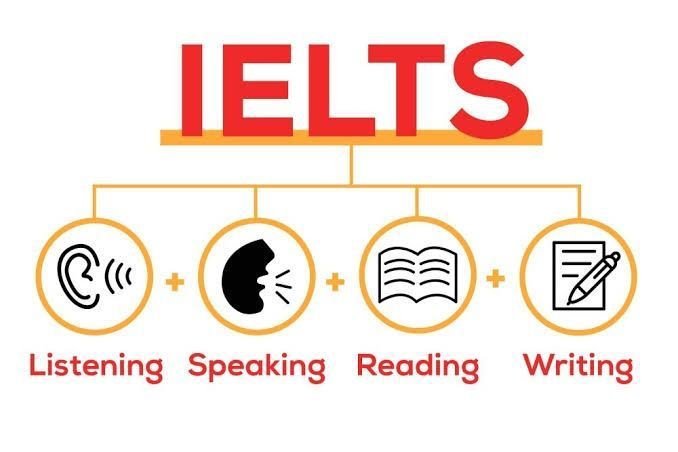
The IELTS consists of four sections:
- Listening
- Reading
- Writing
- Speaking
During these first two weeks, focus on:
Learning the Structure
Understand how many questions appear in each section and how they are scored.
Taking a Diagnostic Test
Attempt one full mock test to identify your current band level.
Building Vocabulary
Instead of memorizing random words, focus on topic-based vocabulary, such as:
- Education
- Environment
- Technology
- Work and business
This foundation will help you across multiple sections of the exam.
Weeks 3–4: Strengthen Listening and Reading Skills
The listening and reading sections are often the quickest areas for improvement.
Listening Practice Strategy
Spend 30–40 minutes daily listening to English content such as:
- News broadcasts
- Podcasts
- Academic discussions
Focus on identifying keywords, numbers, and paraphrased information — these often appear in IELTS questions.
Reading Practice Strategy
Practice scanning and skimming techniques.
Instead of reading entire passages slowly, learn to:
- Identify keywords in questions
- Locate relevant information quickly
- Avoid common “trap answers”
Completing two to three reading passages daily can significantly improve your speed and accuracy.
Weeks 5–6: Master Writing Tasks
The writing section is where many candidates lose valuable points.
The IELTS writing test includes two tasks:
Task 1 – Describe visual information (charts, graphs, tables)
Task 2 – Write an essay presenting your opinion or argument
Focus on Structure
For Task 2 essays, follow a clear structure:
Introduction
Body paragraph 1
Body paragraph 2
Conclusion
Practice Time Management
Candidates often spend too much time on Task 1. Ideally:
- Task 1 → 20 minutes
- Task 2 → 40 minutes
Aim to practice 3–4 essays per week and review them carefully to identify mistakes.
Weeks 7–8: Improve Speaking and Attempt Mock Tests
In the final stage of preparation, shift your focus toward speaking practice and full mock exams.
Speaking Practice
The speaking test evaluates:
- Fluency
- Pronunciation
- Vocabulary range
- Grammar accuracy
To improve speaking skills:
- Practice answering common IELTS questions
- Record your responses and review them
- Speak with a partner or mentor regularly
Full Mock Tests
Attempt at least three complete IELTS mock exams during these two weeks.
Mock tests help you:
- Simulate real exam pressure
- Improve time management
- Identify last-minute weak areas

Common Mistakes That Prevent Band 7
Even strong candidates sometimes fall short of their target score due to avoidable mistakes.
Here are some common issues:
Lack of Time Management
Many candidates run out of time in reading and writing sections.
Overcomplicated Vocabulary
Using complex words incorrectly can lower your score.
Ignoring Feedback
Practicing without correction can reinforce mistakes instead of fixing them.
The key to reaching Band 7 is consistent practice combined with expert feedback.
How Professional Guidance Can Help
Self-study can certainly improve your English, but structured training often accelerates progress.
Many candidates preparing for the IELTS choose guided preparation programs from institutions such as Lingua Nest Pvt. Ltd..
Professional training typically includes:
- Structured study plans
- Speaking practice with trainers
- Personalized feedback on writing tasks
- Realistic mock tests
This approach helps candidates focus on exam strategies, not just language learning.
Final Thoughts
Achieving Band 7 in IELTS within 60 days is definitely possible for many professionals in India, especially if they already have a basic level of English proficiency.
The key is not studying harder — but studying smarter.
With the right preparation plan, consistent daily practice, and targeted feedback, reaching your desired IELTS score can become a realistic and achievable goal.
Ready to Start Your IELTS Preparation?
If you’re aiming for Band 7 or higher in the IELTS, the right training and guidance can make a big difference.
At Lingua Nest Pvt. Ltd., we offer structured IELTS preparation programs designed for working professionals.
✔ Expert trainers with exam-focused strategies
✔ Regular mock tests and personalized feedback
✔ Flexible schedules for busy learners
✔ Online and offline batches available
Start your preparation today and move one step closer to your global career goals.
👉 Enroll in the IELTS preparation batch at LinguaNest and take the next step toward your Band 7 target.