
Learn Japanese kanji with practical tips, stroke order techniques, and cultural insights. Start your journey with LinguaNest.
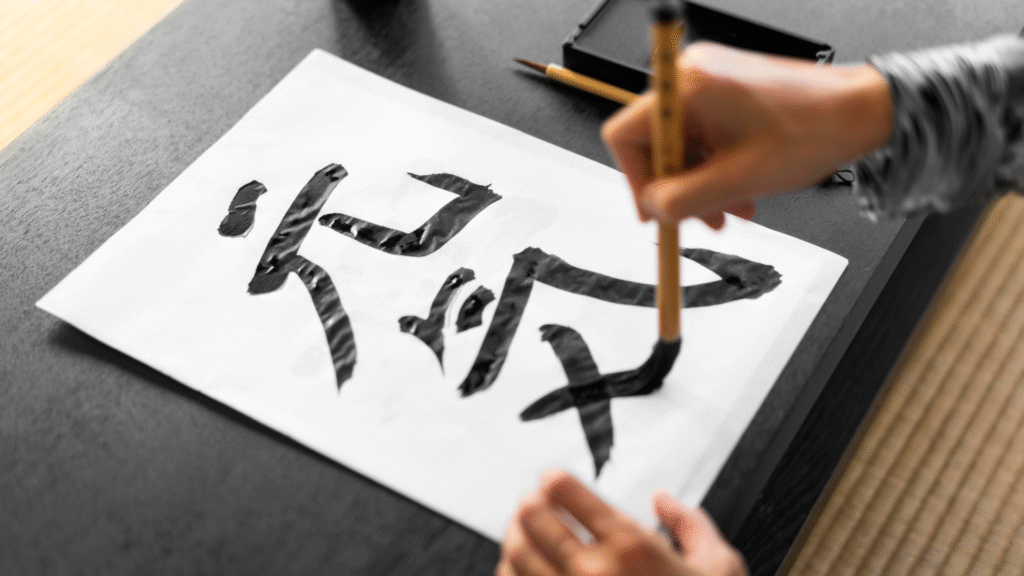
It might seem daunting at first to learn kanji in the Japanese language. Japanese writers borrowed these complex letters from Chinese culture many years ago, and they later became the foundation of writing in Japan. But if done right, learning kanji in Japan can be a rewarding experience.
What Are Japanese Kanji?
The Japanese language uses logograms known as kanji. These are unlike the script of the Japanese writing system, which is phonetic in nature and consists of “Hiragana” and “Katakana.” Each symbol in the Japanese script conveys its own meaning and can be pronounced in different ways. The Japanese script uses about 2,000 to 3,000 kanji characters.
The Japanese Ministry of Education specifies 2,136 characters that students must memorize as Jōyō kanji (regular-use kanji). These characters provide a basis for learning newspaper, book, and government document readings.
Why Learning Japanese Kanji Matters
The study of Kanji provides one with access to the true culture of Japan. Without an understanding of Kanji, your experiences in Japan will be limited to children’s books. By understanding Kanji characters, one can:
- Read real Japanese literature and media
- Capture the nuances of conversations
- Explore Japan on your own during your trip
- Take up educational and professional opportunities in Japan
- Recognize the rich history that each character has.
Effective Strategies for Learning Kanji
Start with Radicals
Kanji in the Japanese language are composed of smaller units called radicals. Being familiar with these units will help you grasp the structure of characters and make learning complex kanji easier. A radical, in many cases, has a meaning that gives a clue about the general meaning of the character.
Practice Stroke Order
Correct stroke order is more than just tradition—it improves the shapes of the characters, and it even helps people write faster. Many kanji use common patterns, such as strokes from top to bottom, left to right, and horizontal strokes before vertical strokes.
Use Spaced Repetition
Regular revision is absolutely necessary for retention in the long run. Spaced repetition techniques assist in revising characters at regular intervals and shifting them from short-term memory to long-term memory. Computer-based flashcard software can be effectively used for it.
Learn Kanji in Context
Learning individual characters out of context is not as useful as learning characters in word contexts. Learning in context enables you to understand the meaning stemming from the combination of different kanji.
How LinguaNest Can Help Your Kanji Journey
At Lingua Nest, our teachers use effective kanji learning strategies to teach lessons. Our highly qualified tutors will lead you through the learning process of mastering the characters, from simple radicals to complex compositions.
Our organized course of study allows you to progress at a comfortable pace while establishing a strong foundation. Whether you are starting your studies of Japanese kanji or simply looking to enhance your skills, LinguaNest is here for you.
Conclusion
Studying the Japanese characters, or Kanji, is a challenging task that requires perseverance, commitment, and strategy. Though it requires an immense amount of hard work to master the Japanese characters, being conversant in reading and writing these elegant characters will enhance your understanding of Japanese culture. Are you ready to start? Learn more about Japanese courses from LinguaNest, where learning kanji is engaging and effective!